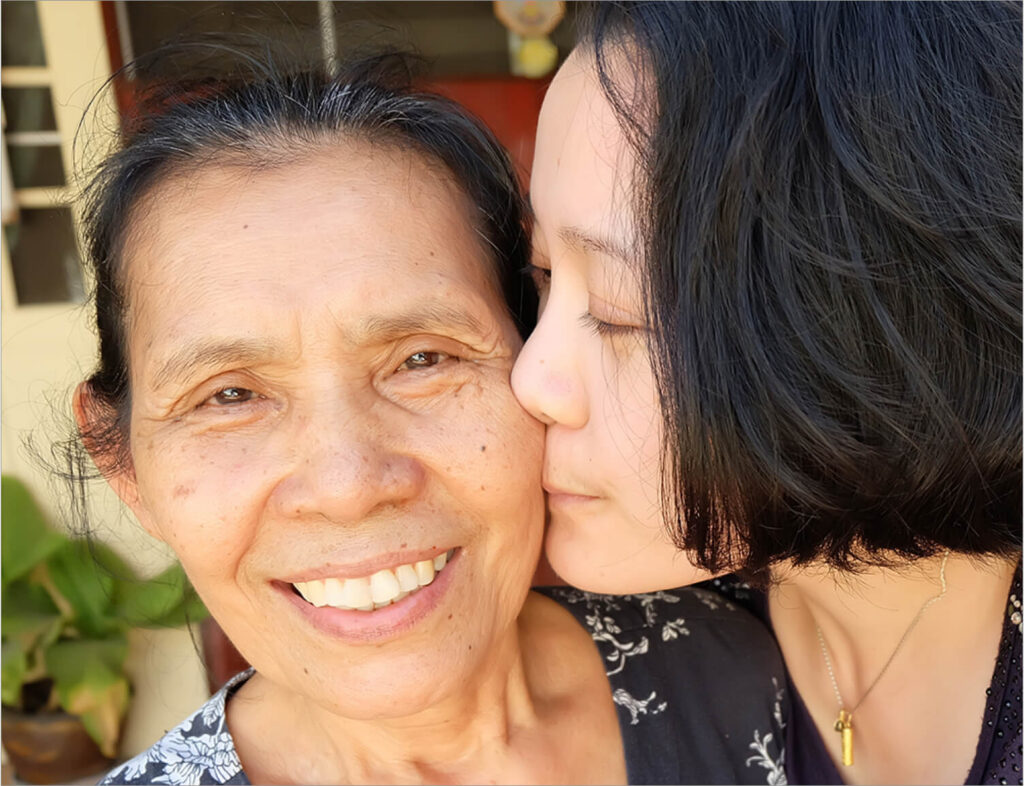
It’s easy to make sure your family knows your wishes
More thorough and personal than a Living Will, more helpful to your family
Make a potentially difficult time easier for your loved ones
Founder Andy Baxter explains how Planning My Way helps people make difficult decisions, and why he founded the Cunniff-Dixon Foundation.
Advance Care Planning is a process that helps you maintain your dignity and values in case you have to make difficult medical treatment decisions. It can also help you appoint a spokesperson in case you aren’t able to make decisions for yourself. Planning Health Care My Way (Planning My Way) is a thorough guide to help you on this path. Only one person is truly qualified to tell your health care providers and your loved ones how you feel about difference issues and that’s YOU.
What is Advance Care planning (ACP)?
Deciding what treatment and care you want and help you avoid the ones you don’t want.
How to empower your loved ones and reduce their burden by clearly communicating your wishes.
Reduce the risk of a communication conflict between your family members and health care providers.
Breaking it down into stages will help you on this difficult journey.
Approaching it in stages will help you to get started. Feel free to select the stage that best fits you and your level of preparedness.
Thinking
about what you would want if you had to make difficult choices.
The best time to consider how you want to receive future medical care is when you’re healthy. Planning with a clear state of mind allows you to begin conversations early on in life so that your loved ones and health care providers become familiar with your values and wishes over time.
Planning for a loved one
Beginning the process of planning for future medical care can be a very hard conversation to have with a loved one. As a caregiver, it’s important to let your loved one know that by thinking and talking about it, you will be empowered to honor their wishes and decisions.
Planning for a Patient
Every patient is different. Two patients with the same condition may have very different ideas about what kind of treatment they want. Planning My Way will help facilitate an open conversation so that a patient’s wishes are clearly understood.
About Planning My Way
Planning My Way (PMW) is a project of the Cunniff-Dixon Foundation and received broad review from a diverse panel of end-of-life and ethics experts including clinicians, clergy and consumer advocates. Our partnerships helped bring that work forward to a consumer-oriented print and digital workbook experience that helps individuals and families think about, learn and communicate what matters to them as they contemplate both legal and supporting future health care directives. Learn more at: www.cunniffdixon.org.